.png)
Dry Vs. Dehydrated Skin: Understanding the Difference and How to Restore Hydration

When it comes to skin care, one of the most frequently made misunderstandings is the difference between dry skin and dehydrated skin. Although both conditions can present with tightness, dullness, fine lines and surface roughness, current dermatologic research clearly shows that their underlying mechanisms are not the same. Dry skin is a skin type defined by chronically low sebum production, which compromises the lipid barrier and reduces the skin’s ability to retain moisture. Dehydrated skin, by contrast, is a transient condition characterized by insufficient water content within the epidermis and can occur in any skin type, including oily skin. The differentiator is therefore not appearance, but sebaceous activity and barrier lipid availability, which directly influence water retention and transepidermal water loss.
Understand the Anatomy of the Skin
The skin is composed of multiple cell types, yet all cells share a common internal structure. Each cell contains cytoplasm, which is primarily made up of water along with proteins, lipids, nucleic acids, polysaccharides, ions and salts. Water represents the largest component, accounting for approximately 80-85% of cellular content. When cells are deprived of adequate water, they begin to shrink, disrupting normal cellular function. This cellular dehydration compromises skin integrity and manifests clinically as flakiness, dullness, loss of firmness and the early formation of expression lines.
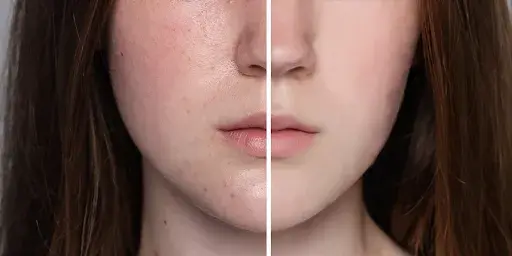
Why Our Skin Needs Hydration
You may not realize it, but hydration plays a crucial role in protecting and regulating your skin. Your skin requires hydration as you age because the barrier function, which helps the skin retain moisture, can break down due to environmental damage or a lack of water intake.
Factors of Dehydration
There are multiple factors contributing to dehydration, those intrinsic (lack of water, aging and diet), and those extrinsic (environmental conditions, weather, harsh products, lifestyle and skin barrier damage).
Whatever you know to be obstacles for your clients, dehydrated skin can be easily fixed in many ways.
Hydration: Keeping the body well hydrated by drinking adequate amounts of filtered water is fundamental to maintaining skin hydration. Proper internal hydration supports cellular volume, nutrient transport and metabolic function, all of which directly influence skin plumpness and elasticity. While topical products address surface hydration, sufficient water intake ensures that skin cells receive the internal moisture required to function optimally, supporting a healthier barrier, improved resilience and a more radiant appearance over time.
Lifestyle changes: Lifestyle choices play a significant role in skin hydration. Excessive caffeine intake, alcohol consumption and smoking contribute to systemic dehydration and disrupt fluid balance, which negatively affects skin function. Reducing coffee and alcohol intake, eliminating smoking and prioritizing regular water consumption help restore internal hydration, support cellular health and improve the skin’s ability to maintain moisture over time.
Exfoliation: Exfoliation is the process of removing dead skin cells from the surface, which helps skin care products absorb more effectively and keeps the complexion smooth. It’s best to exfoliate no more than twice a week, since over‑exfoliating can damage the skin barrier and lead to irritation or sensitivity. Morning is an ideal time because overnight cell turnover is higher, leaving more buildup of dead cells by the time you wake up. With the right routine, exfoliation enhances product penetration, supports a healthy barrier and maintains a fresh, radiant look.

What Do We Need to Hydrate Our Skin?
These days, hyaluronic acid, ceramides, squalane and niacinamide are the skin quenchers to look out for.
1. Hyaluronic acid (HA): HA is also known as hyaluronan or hyaluronate. Hyaluronic acid is often produced by fermenting certain types of bacteria. Hyaluronic acid is available in many topical forms, like creams, gels, serums and even powders mixed with water. Applied to the skin, it helps reduce wrinkles and fine lines by boosting hydration. Injectable fillers with hyaluronic acid and collagen are approved to restore shape and volume, treating acne scars or enhancing lips.
2. Ceramide: Ceramides are fats or lipids that make up about 50% of your epidermis, which is the outer layer of your skin, while synthetic ones are lab-made for skin care. As aging reduces the body’s ability to replenish natural ceramides, synthetic versions are added to products. These help strengthen and restore the skin barrier by providing the needed boost. There are 12 types of ceramides, but these are the three most common ones typically found in over-the-counter serums, moisturizers, lotions, toners and creams:
Ceramide 1, or ceramide EOS
Ceramide 3, or ceramide NP
Ceramide 6-II, or ceramide AP
Ceramides boost skin health when paired with emollients, humectants, and occlusives. Helpful ingredients include dimethicone, colloidal oatmeal, glycerin, hyaluronic acid, and shea butter. For best absorption, apply ceramide-rich moisturizers to damp skin within three minutes of cleansing.
3. Squalane: Squalane is a lightweight, skin-friendly oil naturally found in sebum. It's colorless and odorless—ideal for use in formulations. Squalene once came from shark liver but is now sustainably sourced from plants like olives and sugarcane. Squalane moisturizes in three ways—acting as an emollient, humectant and occlusive—while softening the skin and strengthening its barrier. It provides mild antioxidant and anti-inflammatory benefits, helping protect against stressors like UV exposure. Both note that squalane is lightweight and silky, absorbing quickly without greasy residue, leaving the skin smooth and soft.
4. Niacinamide: Niacinamide is a form of vitamin B3 that supports many essential functions in the body. It’s produced when excess niacin is present or when the amino acid tryptophan is converted into it. It supports keratin production to maintain healthy skin and has been shown to strengthen, smooth and brighten the skin’s appearance. Niacinamide strengthens the skin’s lipid barrier, helping it retain moisture while blocking irritants. As a result, the skin becomes more hydrated and less sensitive.
What Are the Best Facial Treatments for Keeping the Skin Hydrated?
Keep in mind that skin dehydration is a temporary condition in otherwise healthy individuals. It can be corrected efficiently with professional treatments such as oxygen facials, microneedling, glow facials, light chemical peels or HydraFacial treatments. These modalities restore water content, improve product absorption and support barrier function. However, to maintain and prolong these results, the consistent use of appropriate skin care products is essential, as discussed earlier. Without proper home care, even the most effective in-office treatments will deliver only short-term benefits.
Conclusion
Distinguishing between dry skin and dehydrated skin is essential for effective skin care. Dry skin reflects a chronic lack of lipids, while dehydration is a temporary deficiency of water that can affect any skin type. Confusing the two leads to ineffective treatment and ongoing barrier disruption. At the cellular level, adequate hydration is fundamental to skin function, supporting elasticity, smooth texture and overall resilience.
Restoring hydration requires a combined internal and external approach. Proper water intake, lifestyle adjustments, gentle exfoliation and the consistent use of proven ingredients such as hyaluronic acid, ceramides, squalane and niacinamide work together to improve water retention and strengthen the skin barrier. Professional treatments can rapidly enhance hydration, but lasting results depend on disciplined home care. When hydration is addressed correctly, the skin performs better, looks healthier and shows fewer signs of premature aging.


Comments